
Emergency Water Extraction
Standing water pumped and vacuumed out of carpet, pad and floors, day or night.
View service (720) 731-0398
A floor can look dry an hour after the water is gone while the drywall, bottom plates and subfloor are still holding water. Structural drying gets that hidden moisture out.
Castle Rock Water Damage Pros is a free referral service, not a restoration company. Calls are answered by independent local providers who set their own prices.
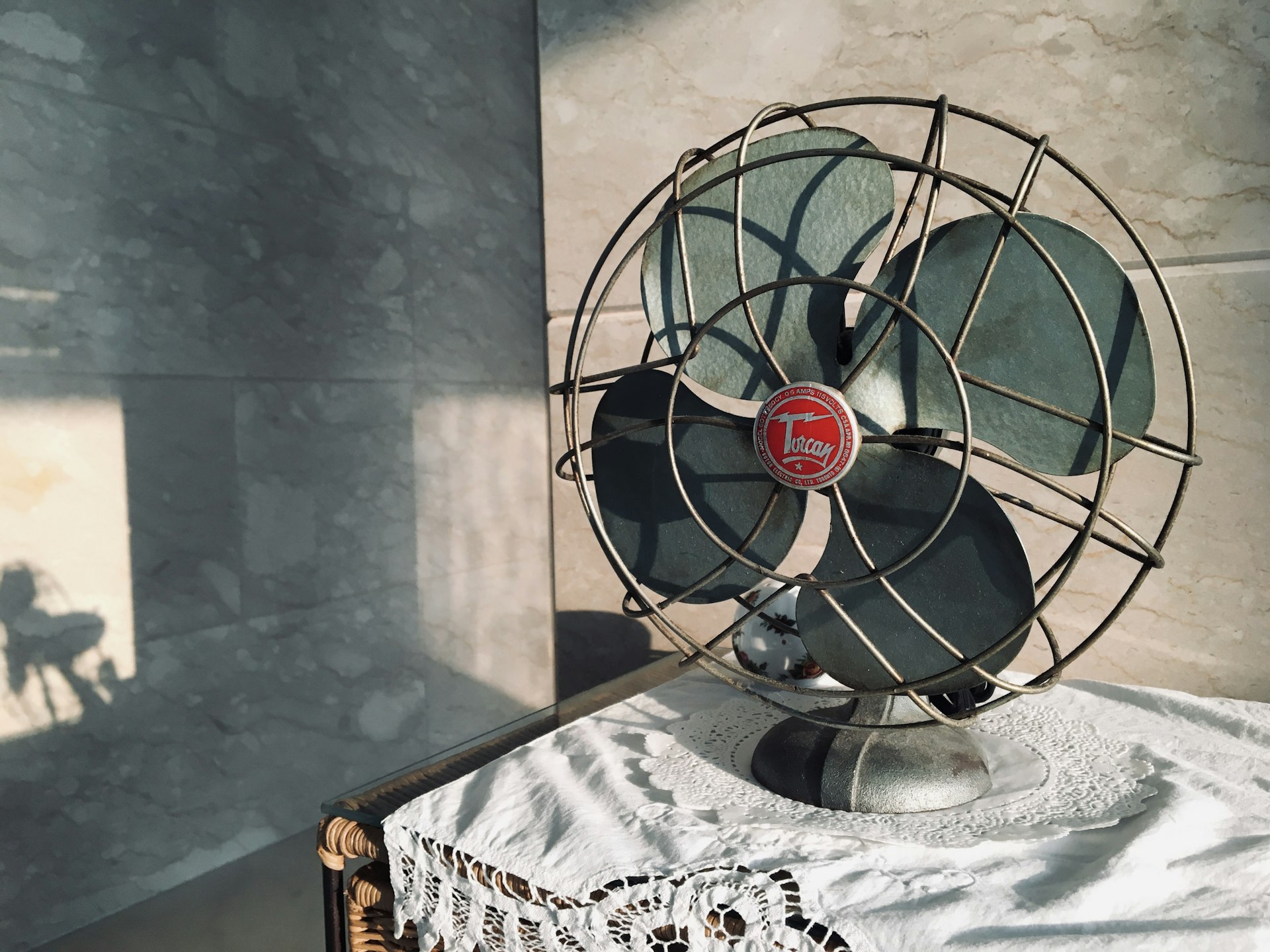
Structural drying in Castle Rock uses air movers, dehumidifiers and sometimes heat to pull moisture out of drywall, framing, subfloor and concrete after water damage. Readings are taken every day with moisture meters until materials match dry areas of the same home, which usually takes three to five days.
Water that has been extracted from the floor is only part of the problem. Drywall, wood framing and subfloor absorb water and release it slowly. Structural drying speeds that release by moving dry air across wet surfaces with air movers and pulling the moisture out of the room with dehumidifiers. Wet wall cavities may get small holes drilled near the floor so air can be pushed inside. Hardwood floors may be dried with mats that pull moisture through the boards.
The goal is a measured result. A dry standard is set by reading unaffected materials elsewhere in the house, and drying continues until wet areas reach it.
Meters and a thermal camera find the edges of the wet area.
Air movers and dehumidifiers placed for the room size and materials.
Readings taken and logged each day; equipment moved as areas dry.
Materials match the dry standard before equipment leaves.
Drywall or wood reading well above dry areas.
A musty smell days after a leak.
Paint lifting or bubbling on lower walls.
Boards cupping or seams lifting.
Windows fogging in the affected room.
Water on the floor right now? Call (720) 731-0398 for a local provider.Open 24/7 · Talk to a local provider in Castle Rock
Call 24/7 (720) 731-0398Basement concrete slabs hold moisture and release it slowly. Finished basements with carpet over concrete need the carpet lifted or floated. Two-story homes with an upstairs laundry or bathroom leak can have water inside the ceiling and walls of the floor below. Cabinets, built-ins and tile showers trap water behind them. At about 6,200 feet, low humidity outside is an advantage, but cold winter air means equipment and heating have to be balanced to keep the house comfortable while drying.
Ask the provider to leave a copy of the daily moisture log, or send a photo of it each day. If you file an insurance claim, that log is the main proof the house was dried properly.
Drying in place saves materials and money, and modern equipment makes it possible more often than people expect. It works best with clean water caught within a day or so. It is not the right choice for sewage, for materials that have started to grow mold or for laminate and particleboard that swell. The EPA mold guidance notes that drying within 24 to 48 hours is the key to preventing mold growth.
Pipe burst in the cold snap? Shut the main valve, then call.Open 24/7 · Talk to a local provider in Castle Rock
Call 24/7 (720) 731-0398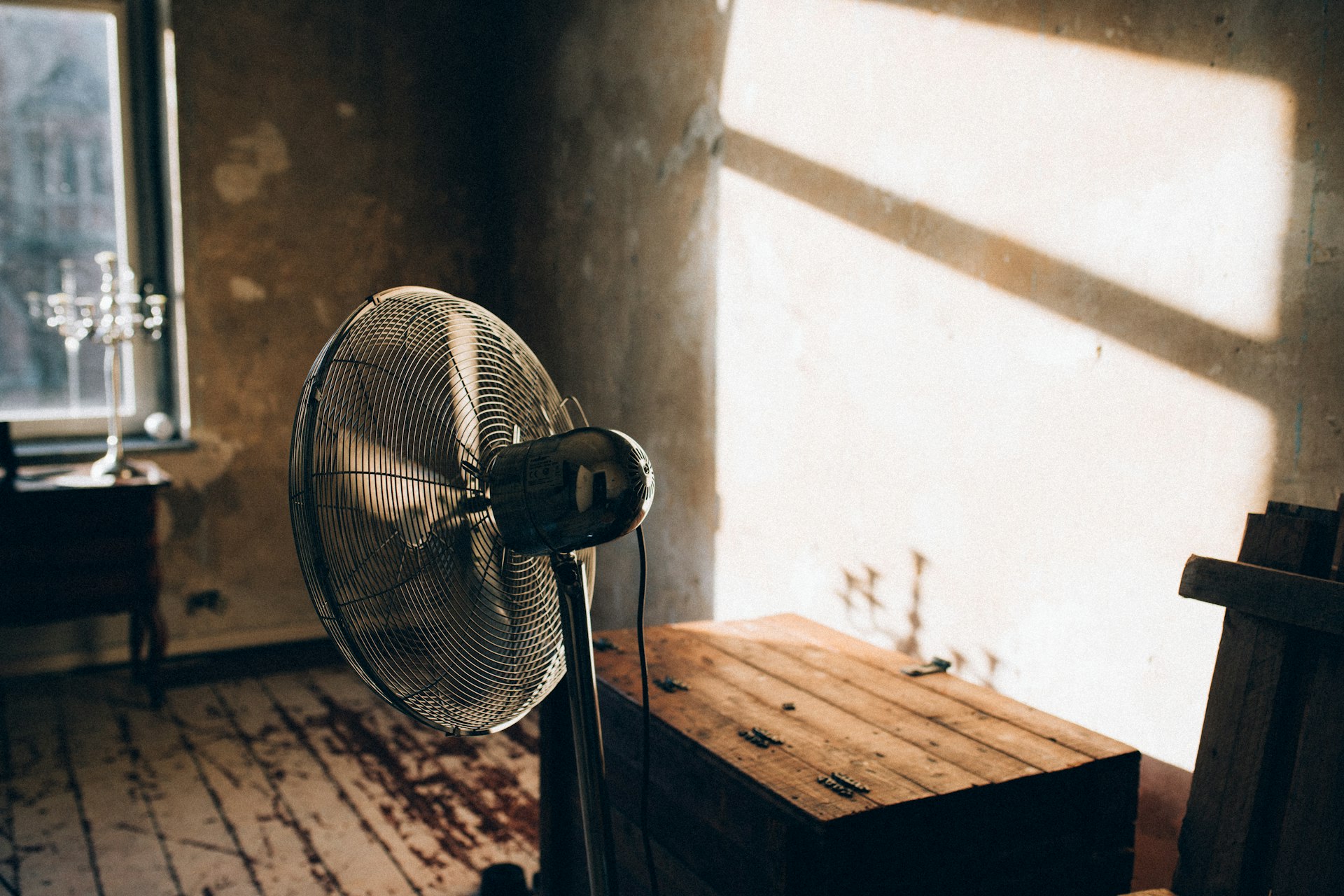
Readings are taken on unaffected walls and floors to know what dry looks like in your house.
Air movers and dehumidifiers are set and the reasons for their number explained.
The same spots are measured every day and logged.
Equipment leaves only when the wet areas match the dry standard.
Basement wet after a storm? Talk it through on the phone.Open 24/7 · Talk to a local provider in Castle Rock
Call 24/7 (720) 731-0398| Equipment | What it does | Notes |
|---|---|---|
| Air mover | Blows air across wet surfaces to speed evaporation | Several per room, aimed along walls |
| LGR dehumidifier | Pulls water out of the air even when it is fairly dry | The main tool in most homes |
| Desiccant dehumidifier | Dries air with a drying wheel | Useful in cold basements |
| Wall cavity system | Pushes air into walls through small holes | Saves drywall that is wet inside |
| Floor drying mats | Pull moisture up through hardwood | Best when started early |
| Factor | Why it matters | What to ask on the call |
|---|---|---|
| Square footage wet | How much floor and wall area the water reached | How many rooms and which floors? |
| Category of water | Clean supply water, grey water or sewage | Which category is this and why? |
| Materials removed | Carpet pad, drywall, baseboard or insulation that cannot be saved | What will be removed, and what can dry in place? |
| Drying days | How many days air movers and dehumidifiers run | How will you show the readings each day? |
| Equipment count | Number of air movers and dehumidifiers | How many units, and why that many? |
Drying should start as soon as the water is out. If the water is still on the floor, the first step is water extraction. Call (720) 731-0398 any time; calls are answered 24 hours a day by local providers.
Water on the floor right now? Call (720) 731-0398 for a local provider.Open 24/7 · Talk to a local provider in Castle Rock
Call 24/7 (720) 731-0398Running a fan from the garage or a household dehumidifier is not the same as structural drying. They can dry the surface while the wall cavity stays wet, which is how mold starts behind finished walls.
Before any structural drying work in Castle Rock, ask whether the company is registered with the Town, see the Town contractor registration page, and whether the technicians hold IICRC certification. Colorado has no statewide general contractor license, so the Town's registration and the company's own certifications and insurance are what you can check. Ask for proof of liability insurance too.
Pin meters measure moisture in wood and drywall at a point. Pinless meters scan an area. A thermal camera shows cooler, wet areas on walls and ceilings. A good provider uses all three, writes down the readings at the same spots each day and shows you the trend. When the wet spots read the same as dry walls elsewhere in the house, drying is finished.
Pipe burst in the cold snap? Shut the main valve, then call.Open 24/7 · Talk to a local provider in Castle Rock
Call 24/7 (720) 731-0398Basement slabs in Castle Rock sit on soil and can hold moisture for a long time. If carpet pad was soaked, it is usually removed so air can reach the concrete. Ask whether the provider will test the slab before new flooring goes down; flooring laid on damp concrete can fail within months.
Most families stay home during drying. The equipment is noisy and warm, and it uses electricity, which you will see on your bill; some insurers reimburse it. Ask where the crew can place equipment to keep a bedroom quiet, and keep pets away from cords.
Drying sits in the middle of water damage restoration in Castle Rock: after extraction and before any rebuild. It is the step that decides whether drywall and floors can be saved, and it is where good providers stand out, because careful readings and well-placed equipment save days.
Basement wet after a storm? Talk it through on the phone.Open 24/7 · Talk to a local provider in Castle Rock
Call 24/7 (720) 731-0398Restorers often size equipment with a simple rule of thumb: a certain number of air movers per length of wet wall and per area of wet floor, and enough dehumidifier capacity for the room volume. If an estimate shows many units for a small room, or very few for a whole basement, ask how they arrived at the number. A clear answer is a good sign.
Equipment should only leave when the readings say so. Before the crew picks up, ask to see the final log and walk the area together. If you notice a smell or a soft spot later, call back right away; a recheck is far cheaper than mold behind a new wall.
Insurers look for proof that drying was done properly. Daily logs, photos of equipment and the final readings are that proof. Ask the provider to include them with the invoice.
Water on the floor right now? Call (720) 731-0398 for a local provider.Open 24/7 · Talk to a local provider in Castle Rock
Call 24/7 (720) 731-0398Three to five days is typical for clean water caught early. Concrete, hardwood and water that sat for days can take longer.
Please do not. Drying works around the clock, and turning equipment off can add days.
Air movers push a lot of air across wet surfaces. The noise is temporary; ask the crew where to place them to reduce it.
Yes. Low outdoor humidity makes dehumidifiers work well, but materials behind walls still need moving air to dry.
Standing water pumped and vacuumed out of carpet, pad and floors, day or night.
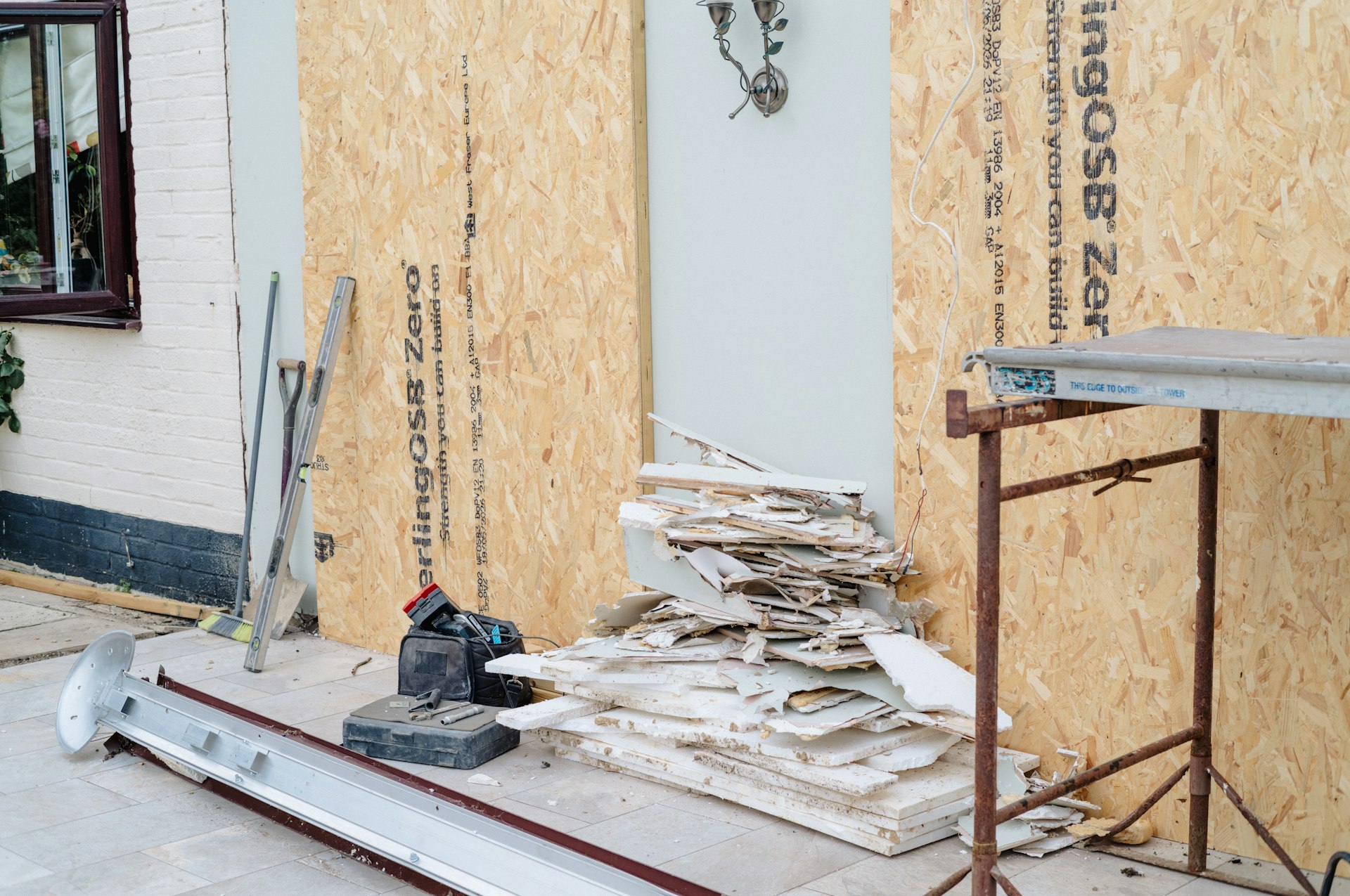
Wet drywall, floors and trim assessed, removed where needed and put back.

A pipe split in a cold snap? Water stopped, cleaned up and dried.
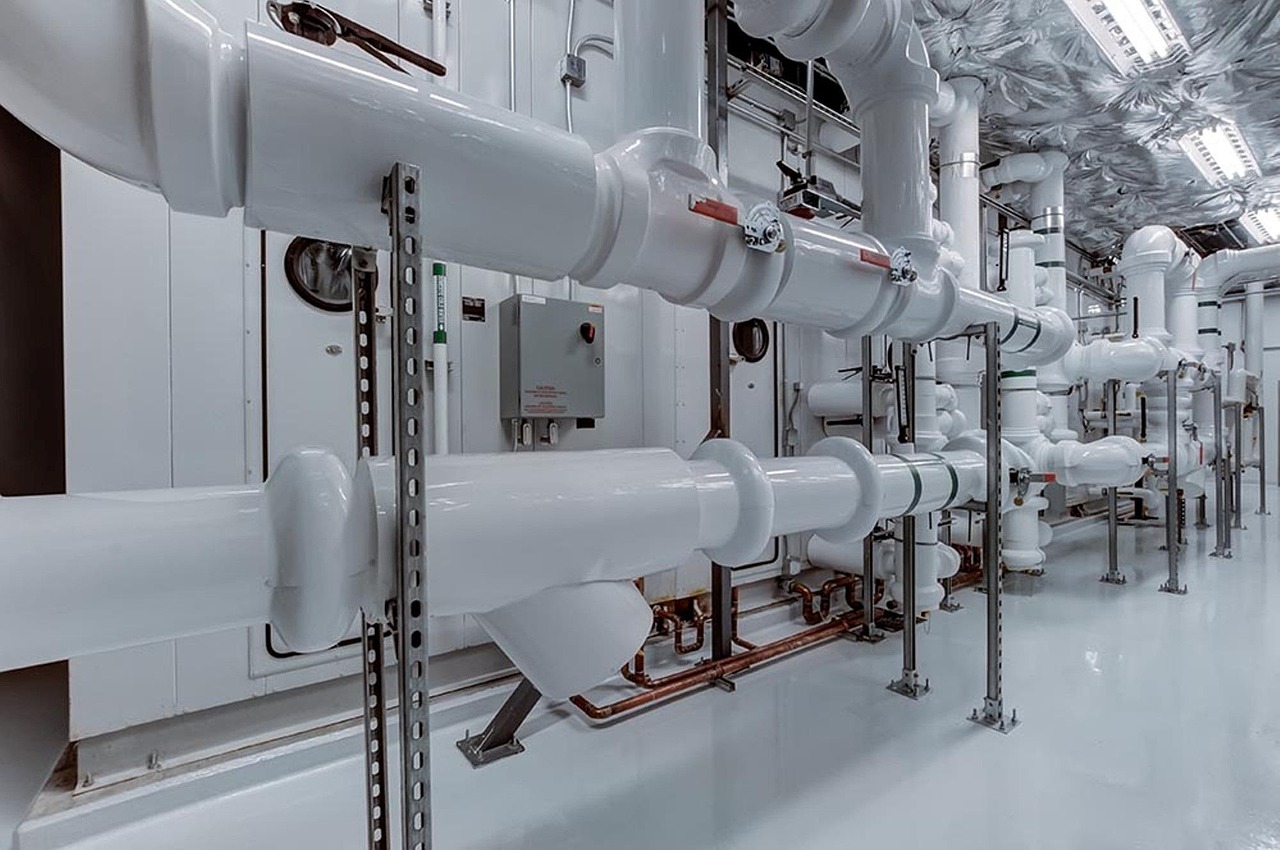
Water in the basement from a failed sump, a supply line or snowmelt, pumped out and dried.
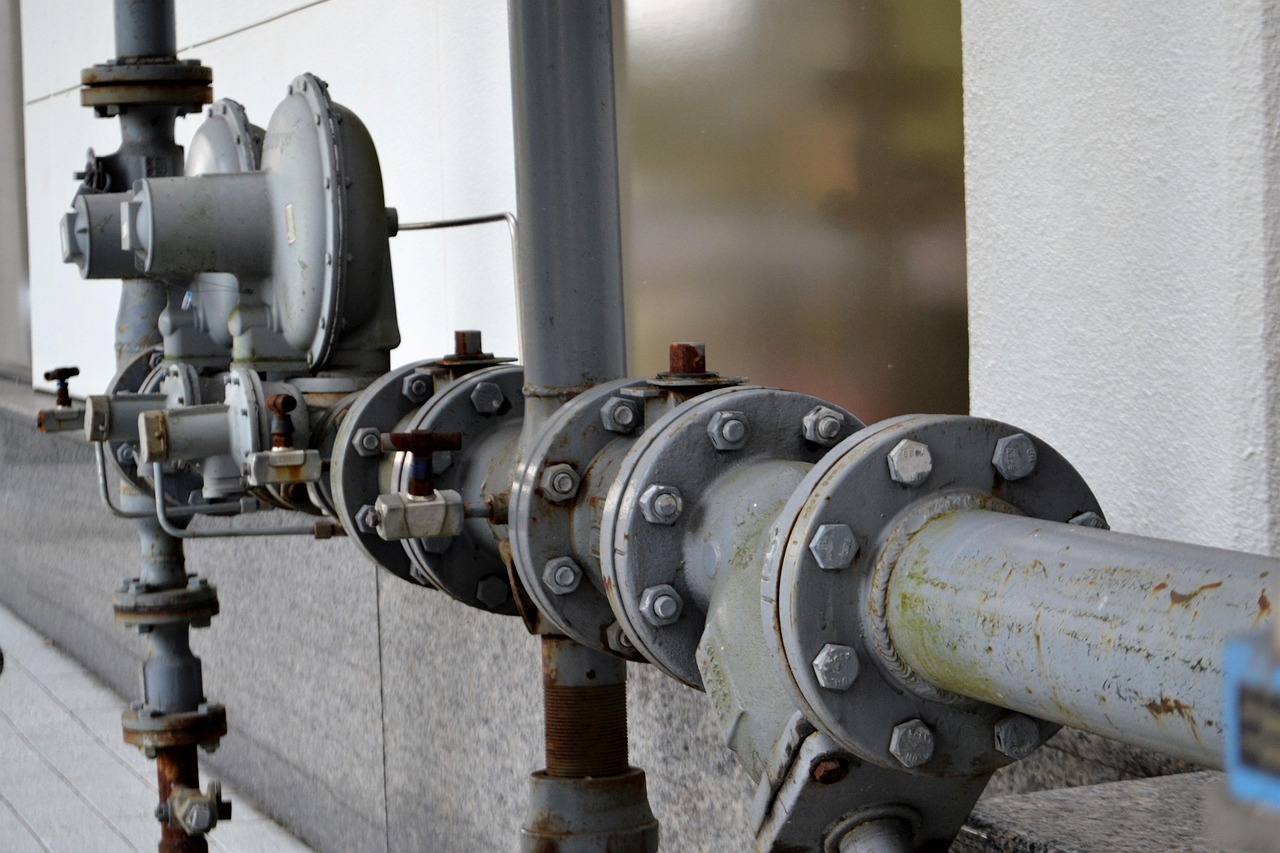
Mold that followed a leak contained, removed and the cause fixed.
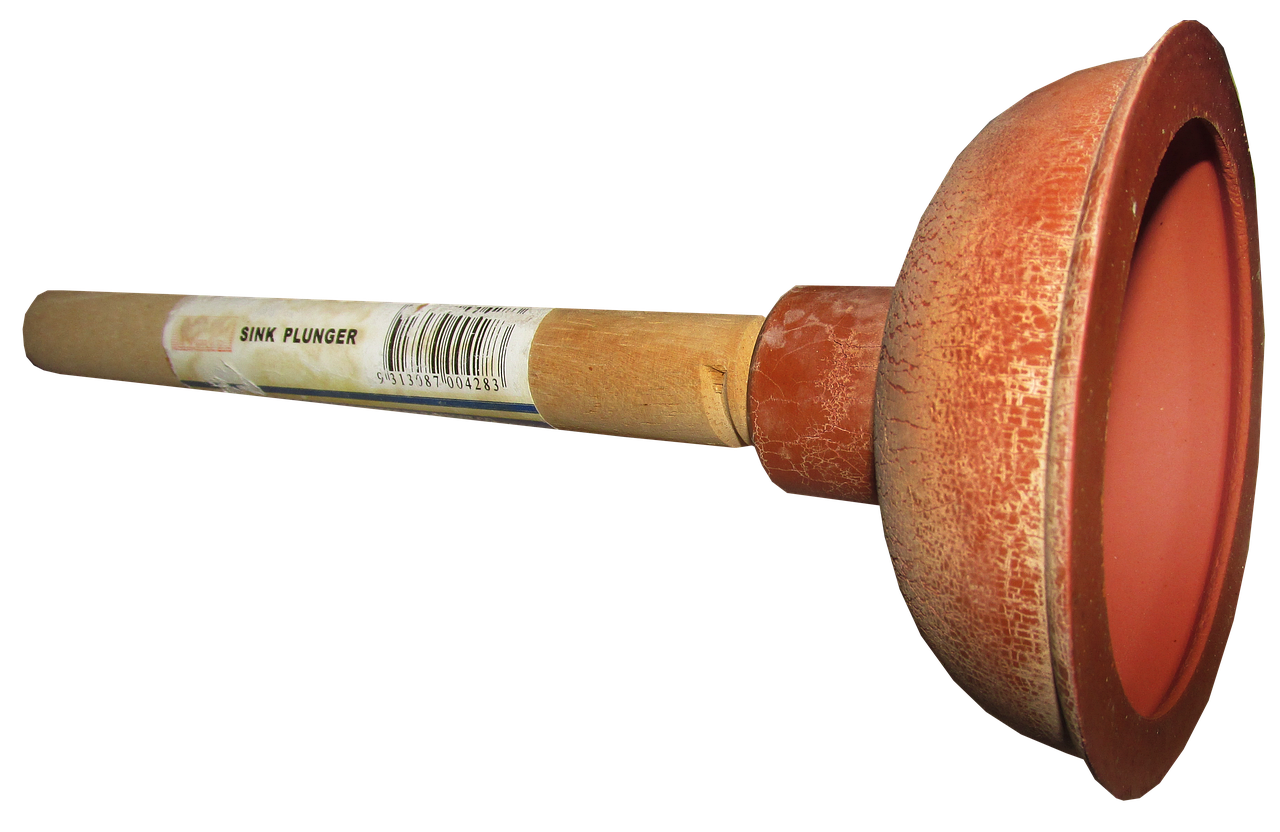
Sewage from a floor drain or toilet cleaned up safely, with affected materials removed.
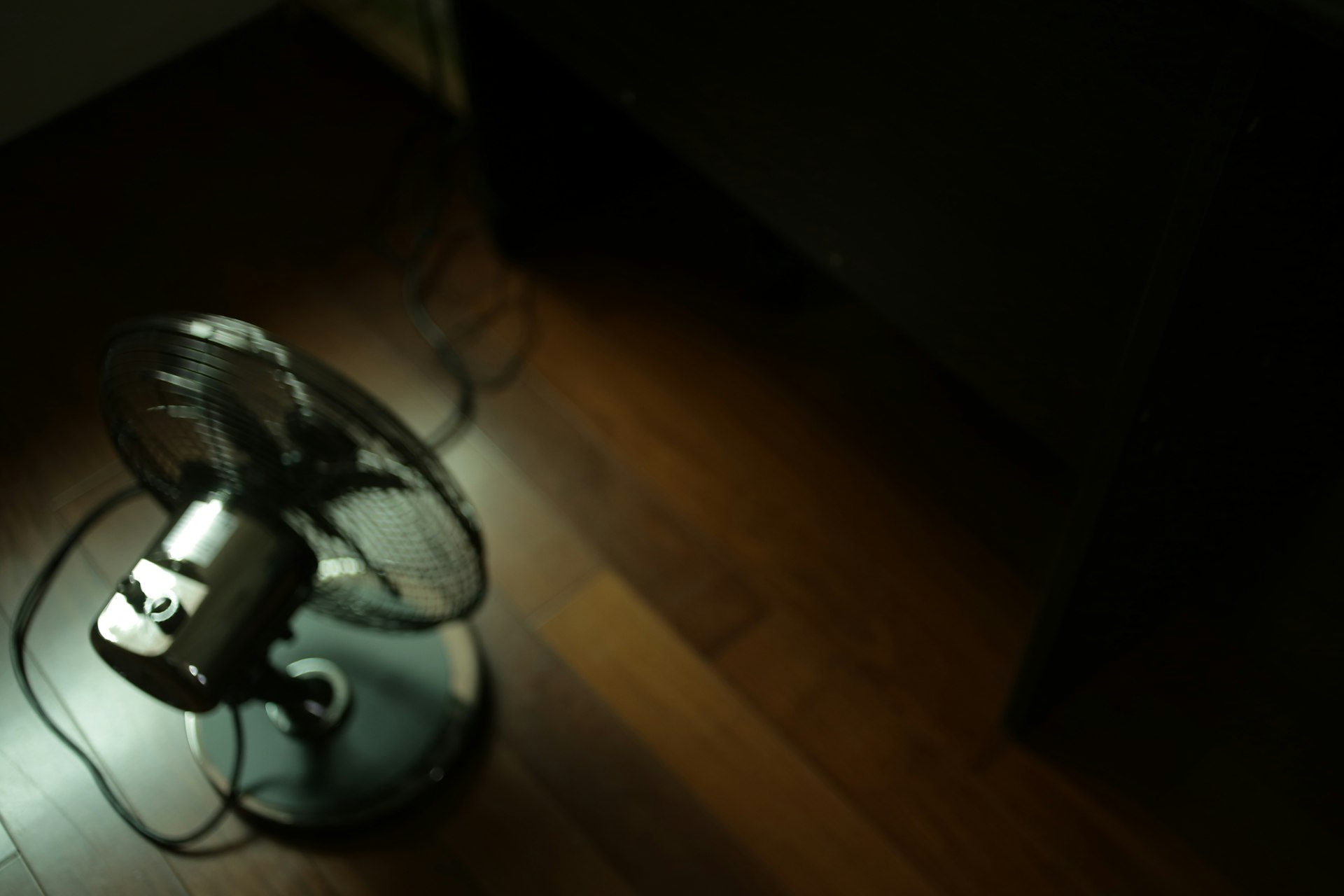
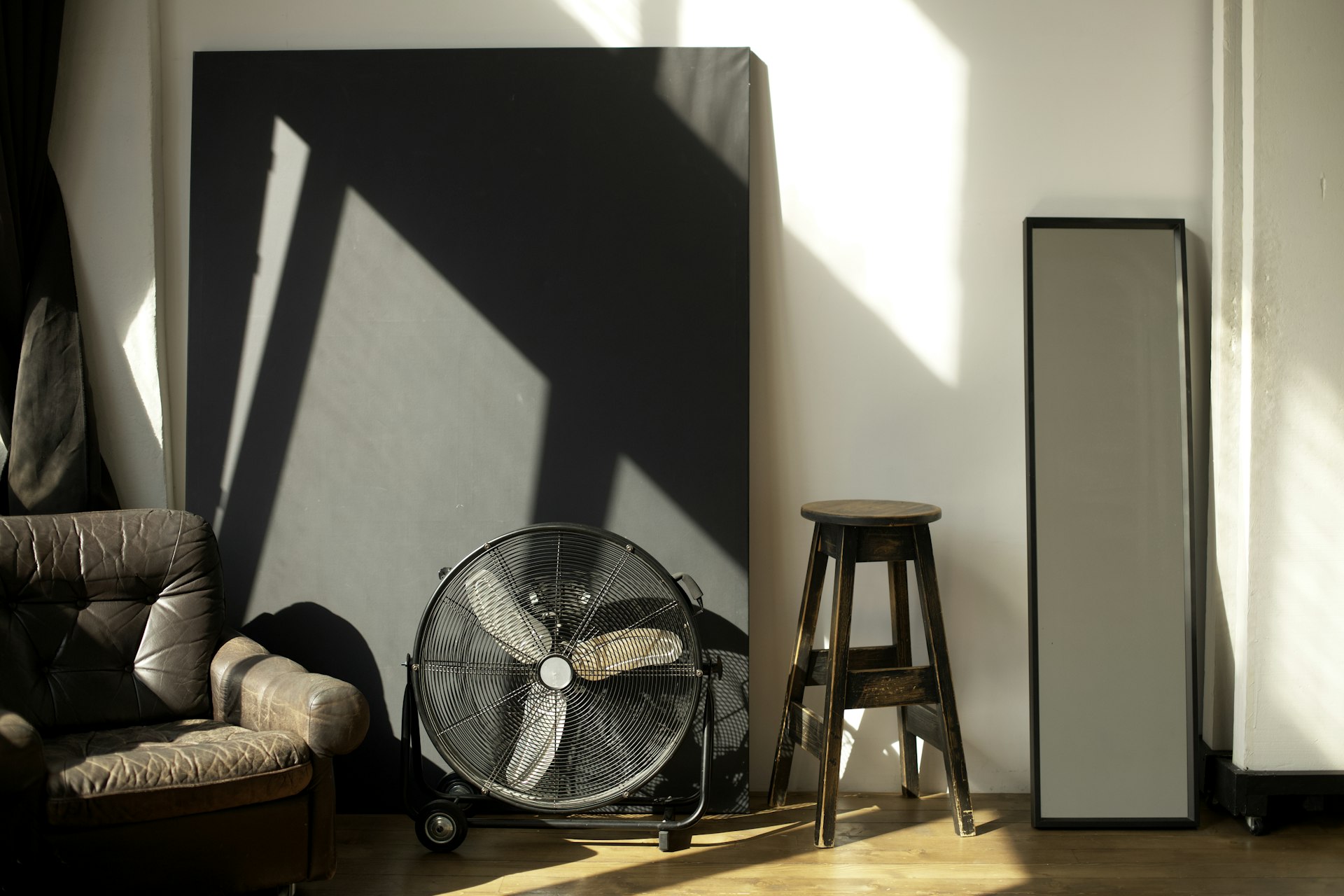
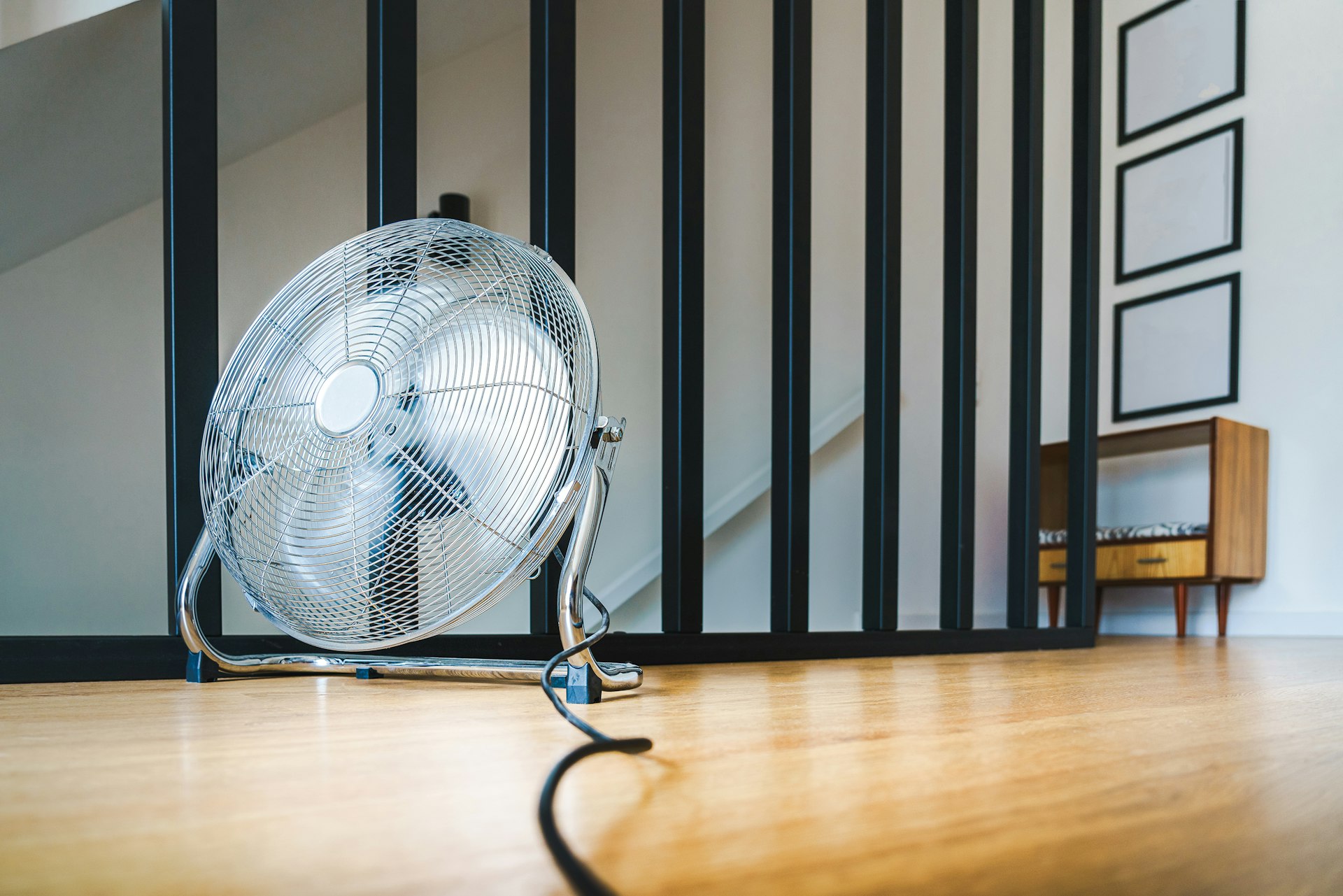
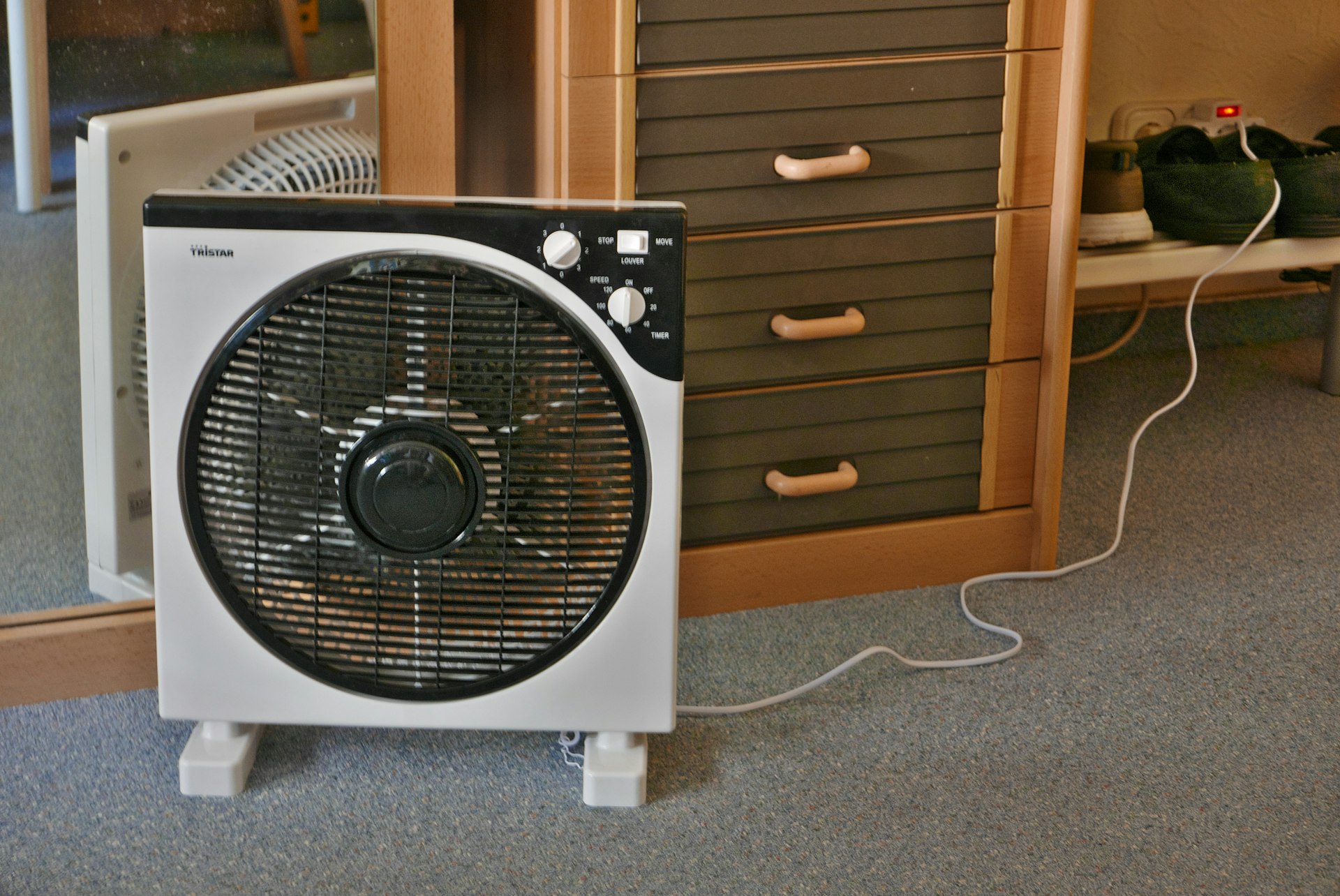
Representative photos of the kind of work local providers handle.
Talk to a local provider
One call connects you with an independent water damage restoration company that works in Castle Rock. They explain what they would do and how the price is set before anything starts.
(720) 731-0398